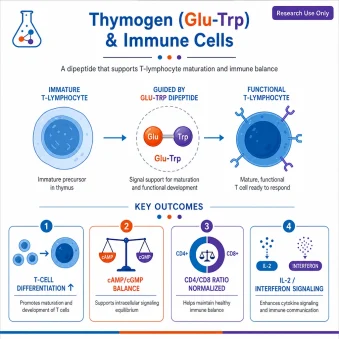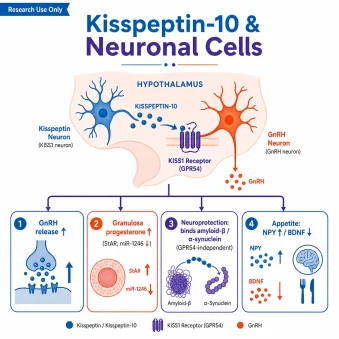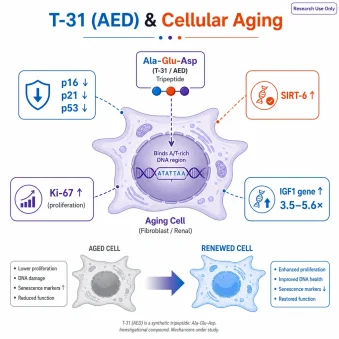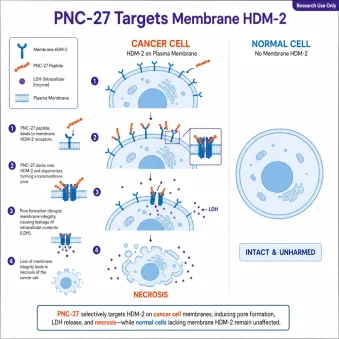
Vilon peptide — also known as KE or Lys-Glu — is a thymus-derived bioregulator peptide composed of just two amino acids (lysine and glutamic acid) that supports cellular regrowth, tunes immune function, and shows promising anti-aging properties in lab research. Developed within the Russian peptide bioregulator program pioneered by Professor Vladimir Khavinson, Vilon represents one of the smallest biologically active peptides ever characterized — yet its effects on gene expression, thymus rejuvenation, and immune support are notably broad.
In this full guide, you will learn everything about Vilon peptide benefits, proper dosage protocols, mechanism of action, safety profile, and the latest research findings that make this dipeptide a fascinating subject in longevity peptides and regrowth medicine.
Grasp what are peptides and mainly what is Vilon begins with the fascinating field of bioregulators. Vilon (also designated KE or KE-2) is a synthetic dipeptide consisting of the amino acid sequence Lys-Glu (L-Lysine-L-Glutamic acid), with a cell-level weight of about 275 daltons. It was originally isolated from extracts of the thymus gland — a key organ for immune system growth — as part of the pioneering peptide bioregulators research program led by Professor Vladimir Khavinson at the St.
Petersburg Institute of Bioregulation and Gerontology (SPIBG) in Russia.
What are peptides in the context of bioregulation? Peptide bioregulators (also called bioregulator peptides) are short chains of amino acids derived from specific organ tissues that help regulate cellular functions within those organs. Unlike conventional drugs that target single receptors, bioregulators work as epigenetic modulators — they interact directly with DNA and chromatin to normalize gene expression and restore cellular balance.
What is peptides research revealing about these molecules? That even the smallest peptide sequences can carry powerful natural signals capable of influencing cellular behavior at the most basic level.
What is a peptides classification for Vilon? It belongs to the category of thymus bioregulator peptides — compounds derived from thymic tissue that mainly target immune system control. The thymus gland is essential for T-cell maturation and immune competence, but it undergoes progressive involution (shrinkage) with age, adding to immune decline.
Vilon was discovered in the 1980s within Thymalin, a complex thymic extract used in early Russian immunological research. Scientists later synthesized Vilon as the smallest active component of Thymalin, showing that even a two-amino-acid sequence can carry major natural data.
Key Definition: A bioregulator is a substance that helps restore normal function to cells and tissues by regulating gene expression at the epigenetic level. Bioregulation differs from boost or suppression — it brings cellular processes back to their best baseline. Peptide bioregulator research, also known as bioregulatory medicine, represents a paradigm shift from treating symptoms to keeping cellular homeostasis.
The concept of bioregulation is central to grasp how Vilon and related bioregulators peptides work.
What makes Vilon structurally unique is the paired charge of its two amino acids. Lysine carries a positive charge (basic), while glutamic acid carries a negative charge (acidic). Under natural conditions, this creates a zwitterionic molecule that can interact with both negatively charged DNA and positively charged histone proteins in chromatin.
This dual nature allows Vilon to penetrate cell membranes and access the nucleus, where it can directly influence gene expression — a notable capability for such a minimal molecule.
Grasp what do peptides do at the cell-level level is essential for appreciating Vilon's treatment possible. Vilon operates through several interconnected mechanisms that converge to normalize cellular function and support tissue homeostasis. What does peptide do when it enters a cell? In Vilon's case, it bypasses classical receptor-binding pathways and instead interacts directly with the genome.
Vilon's main mechanism involves epigenetic tuning — changing how genes are expressed without altering the DNA sequence itself. Studies show that Vilon can attach to specific regions of DNA and chromatin, helping keep important gene areas in an active state. In cell samples from older donors, Vilon was found to partially loosen heterochromatin — the densely packed form of DNA that keeps genes silenced.
By loosening these regions, Vilon mainly reactivates genes that had been turned off during aging, including nucleolus organizer regions (NORs) that contain ribosomal RNA genes essential for protein synthesis.
Importantly, this effect is selective. Vilon does not unlock permanently silent DNA regions (constitutive heterochromatin). Instead, it targets facultative heterochromatin — regions that cells could use but have shut down due to age or environmental stress. This selectivity is what makes Vilon a true bioregulator rather than a blunt-force activator.
The downstream effects include increased expression of DNA repair genes (PCNA), enhanced antioxidant enzyme production (SOD, catalase), and normalized stress-response pathways (FOXO1, SIRT1).
Vilon works closely with histones — the proteins that package DNA into chromatin. Computational models and laboratory tests show that Vilon can bind to histone H1, the linker histone that helps keep DNA in a tightly coiled state. By binding H1, Vilon may displace it or alter its conformation, leading to a loosening of chromatin structure that makes genes more accessible for transcription.
This is analogous to untying a knot so that the genetic instructions can be read by the cell's machinery.
There is also evidence that Vilon interacts with histone tails — the flexible ends of histone proteins where important post-translational changes occur. If Vilon binds these tails, it could interfere with signals that normally tighten chromatin, shifting the balance toward a more transcriptionally active state. This is very relevant for genes involved in cellular stress response, growth, and immune function.
A landmark 2023 study published in the Bulletin of Experimental Biology and Medicine provided the most mechanistically detailed evidence for Vilon's action in human cells. Researchers found that Vilon (Lys-Glu) mainly regulates the expression of SIRT1 — a NAD-dependent deacetylase and key longevity regulator — as well as the DNA repair enzymes PARP1, PARP2, and PARP3 in human mesenchymal stem cells.
SIRT1 is one of the most studied anti-aging proteins, known to safeguard genomic shelf life, regulate body function, and promote cellular stress resistance. The PARP family of enzymes is key for detecting and repairing DNA damage. By tuning this SIRT1/PARP axis, Vilon provides a cell-level basis for its saw geroprotective effects and may explain improved DNA damage response in aging cells.
Research Note: The 2023 SIRT1/PARP study represents the most recent and mechanistically specific human-cell finding for Vilon. It links this simple dipeptide to well-set up longevity and DNA repair pathways, providing scientific credibility to the broader claims about peptide bioregulators and their role in anti-aging research. Do peptides really work?
This study provides compelling cell-level evidence that even the smallest peptides can have measurable effects on gene expression in human cells.
The question "what are peptides used for" has a broad answer, but Vilon peptide benefits are mainly concentrated in immune tuning, anti-aging, and cellular regrowth. Across multiple lab studies, Vilon has showed a notably diverse range of natural effects for such a small molecule. Here is what the research shows about the specific benefits of peptides like Vilon.
Given its thymic origins, immune support is Vilon's main treatment domain. Research shows that Vilon can restore balance in immune cell function, very in contexts of aging or stress where the immune response is either weakened or overactive. Peptides for immune system support like Vilon work by enhancing T-cell maturation, improving antigen presentation, and normalizing cytokine production.
Immune peptides and immunity peptides represent a growing area of research, with Vilon being one of the most studied peptide for immune system uses. The best peptides for immune system support include Vilon, Thymalin, and Thymosin Alpha-1, each targeting different aspects of immune function.
Anti aging peptides like Vilon represent a frontier in gerontological research. Vilon peptide benefits in the anti-aging domain include reduced cellular senescence markers (p16^INK4a, p53), increased expression of longevity-linked genes (SIRT1, FOXO1), enhanced DNA repair capacity, and improved cellular regrowth. Best peptides for anti aging research consistently includes Vilon alongside Epithalon and GHK-Cu. Antiaging peptides and peptides anti aging research has shown that Vilon can shift gene expression profiles in aged cells toward more youthful patterns.
Peptides for anti aging uses are among the most promising areas of regrowth medicine, and best anti aging peptides like Vilon offer a fundamentally different approach compared to conventional anti-aging treatments.
Vilon supports cellular regrowth through multiple pathways. In aging fibroblast cultures, Vilon treatment boosted growth activity and collagen synthesis while reducing markers of cellular senescence. The peptide enhances the cell's protein-producing capacity by reactivating ribosomal RNA genes, effectively restoring the cellular machinery needed for tissue maintenance and repair. In animal studies, muscle and liver tissues from Vilon-treated aged animals showed higher regrowth possible after injury compared to untreated controls.
Cells under stress build up oxidant damage that accelerates aging and disease. Vilon starts the cell's own defense systems — including superoxide dismutase (SOD), catalase, and glutathione-related enzymes — preemptively preparing cells to neutralize free radicals. In animal studies, pre-treatment with Vilon protected tissues from oxidant injury, reducing liver and blood markers of oxidant damage after exposure to harmful chemicals or radiation.
Vilon induces an adaptive anti-swelling state without suppressing necessary immune responses. Research using human monocyte-macrophage cell lines showed that Vilon helps restrain too much swelling responses — reducing TNF-a and IL-6 output and limiting immune cell adhesion to blood vessel walls. In aged animals, long-term Vilon treatment lowered baseline levels of swelling mediators, reducing the "inflammaging" burden that accelerates tissue decline.
Peptides benefits extend far beyond what was first expected from such small molecules. Are peptides good for you? The lab evidence for Vilon suggests that targeted peptide interventions can meaningfully influence cellular health. Peptides healthy for you is a common search query, and the answer depends on the specific peptide, its quality, and proper use under medical guidance.
Peptide benefits like those showed by Vilon include immune tuning, reduced swelling, enhanced DNA repair, and improved cellular resilience — all basic to healthy aging.
"Do peptides work?" and "do peptides actually work?" are among the most often asked questions about these compounds. The answer, based on decades of research: yes — does peptides work is supported by peer-reviewed studies showing measurable natural effects. "What are peptides good for?" and "what is peptides good for?" — peptides serve diverse functions including immune tuning, tissue repair, anti-aging, and body support.
"What are peptides for?" and "what is peptides for?" — they are used as targeted signaling molecules that communicate specific instructions to cells. "What does peptides do?" and "what do peptides do in the body?" — what do peptides do for the body is best understood through their role as natural messengers that regulate gene expression, immune responses, and cellular repair processes.
What do peptides do for you?" and "what do peptides do for your body?" — the benefit of peptides depends on the specific compound, but Vilon mainly supports immune health and cellular rejuvenation. "Is peptides good for you?" and "are peptides healthy?" — when used properly under medical guidance, research-grade peptides like Vilon show favorable safety profiles.
What are the benefits of peptides? The benefits of taking peptides include enhanced immune function, improved cellular repair, reduced swelling, and anti-aging effects. Peptides results and peptide before and after outcomes vary by personal, but clinical research shows measurable gains in immune markers and cellular health. Peptides health benefits are increasingly recognized in the medical community.
Are peptides worth it?" For those seeking evidence-based approaches to immune support and healthy aging, bioregulator peptides like Vilon offer a compelling option. "Why do people take peptides?" and "why take peptides?" — people use peptides for targeted natural support that conventional supplements cannot provide. The peptides function as precise cell-level signals makes them uniquely effective for specific treatment uses.
The thymus gland is the master regulator of adaptive immunity, responsible for producing and educating T-cells — the immune system's most versatile defenders. However, thymic involution (shrinkage) begins in early adulthood and accelerates with age, leading to progressive immune decline known as immunosenescence. Vilon, as a thymus bioregulator, mainly targets this age-related immune decline.
In co-culture experiments simulating the thymus environment, Vilon boosted thymocytes (immature T-cells) to both proliferate and mature. More thymocytes entered cell division and, importantly, more successfully developed into functional CD4+ T helper cells — the "generals" of the immune response. Studies noted higher CD5 and CD4 markers on developing T-cells after Vilon exposure, showing enhanced maturation competence.
This power to support the thymus's basic job of producing new T-cells is central to Vilon's value as an immune support peptide.
In cultures of human lymphocytes from elderly donors, Vilon had a striking effect on chromatin organization and gene start. Functionally, aged lymphocytes regained the power to respond to stimulants with robust but controlled growth — approaching the responsiveness of lymphocytes from much younger people. Vilon also normalized blast transformation rates, meaning immune cells could properly start when meeting pathogens.
In aged mice with damaged immune systems, Vilon increased T-lymphocyte counts back toward normal ranges.
Critically, Vilon does not simply "boost" immunity — it balances it. Research using human monocyte-macrophage cell lines showed that Vilon prepares immune cells via MAPK signaling (ERK, JNK start) while simultaneously restraining too much swelling responses when challenged with bacterial LPS. This dual action — enhancing readiness while preventing overreaction — makes Vilon a true immunomodulator rather than a simple immune stimulant.
The result is an immune system that responds effectively to threats without causing collateral tissue damage through too much swelling.
The most major human evidence for Vilon comes from a clinical evaluation involving 520 adults (ages 43-76) convalescing after acute respiratory and viral illness. Oral Vilon use (one capsule daily for 20 days) normalized immune parameters in 86% of cases and improved symptom healing compared to placebo. While this study needs independent replication, it provides preliminary human evidence supporting Vilon's immunomodulatory effects saw in lab research.
One of the most compelling areas of Vilon research is its possible as an anti-aging compound — a molecule that can counteract basic aspects of cellular aging. Anti aging peptides like Vilon target the root causes of aging rather than merely addressing symptoms, making them fundamentally different from conventional anti-aging approaches.
Cellular senescence — the state where cells permanently stop dividing and secrete harmful swelling factors — is a hallmark of aging tissues. Vilon appears to interfere with senescence growth in multiple ways. Old fibroblasts and immune cells exposed to Vilon did not build up as much p16^INK4a (a key senescence marker), allowing more cells to continue cycling instead of falling into permanent arrest.
Similarly, p53 levels were more moderate, consistent with Vilon helping reduce underlying DNA damage. Youth-linked markers like SIRT1 and Ki-67 (a proliferation marker) increased with Vilon treatment, showing higher cellular renewal rates.
A notable study examined human mesenchymal stem cells (MSCs) as they underwent aging in culture. When Vilon was added to these aging stem cell cultures, it produced major changes in gene expression tied to aging. Vilon boosted IGF-1 expression several-fold, tuned FOXO1 depending on the aging context, and positively regulated SIRT1.
Telomere-linked genes like TERT and TNKS showed changes, hinting that repeated Vilon exposure might affect telomere maintenance. The essential takeaway is that in stem cell models of aging, Vilon recalibrates key pathways — growth factor signaling (IGF-1), stress resistance (FOXO, Sirtuins), and swelling/repair signaling (NF-?B) — resulting in cells that show more resilience and a gene profile focused on maintenance and repair.
Two landmark PubMed-indexed animal studies showed that Vilon greatly blocked spontaneous tumor growth and extended the lifespan of mice. Treated animals showed increased physical activity and endurance, reduced body heat (a biomarker linked with longevity), and dramatically lower rates of spontaneous neoplasms. These findings, published by Khavinson and Anisimov in 2000, provided some of the earliest evidence that a simple dipeptide could influence lifespan — a notable finding that helped set up the field of longevity peptides research.
Senescent cells secrete pro-swelling cytokines (the senescence-linked secretory phenotype, or SASP) that damage neighboring cells and accelerate tissue aging. By reducing chronic pro-swelling signals like TNF-a and IL-6, Vilon may reduce the impact of SASP. In animal models, long-term Vilon treatment led to lower baseline levels of swelling mediators in the bloodstream and tissues, creating a more youthful systemic environment.
This reduction in "inflammaging" is one of the most practically major anti-aging effects of Vilon, as chronic swelling is a well-set up accelerator of virtually every age-related disease.
Best anti aging peptide research continues to evolve, and injectable peptides anti aging protocols increasingly include bioregulators like Vilon. Best injectable peptides for anti aging often combine Vilon with paired peptides like Epithalon (for telomere support) and Thymalin (for broader thymic rejuvenation). Anti aging injections using peptide bioregulators represent a fundamentally different approach to aging — one that works with the body's own control mechanisms rather than against them.
Peptides anti aging products and anti aging creams with peptides are also available, though injectable and oral forms are more relevant for Vilon's systemic effects. Peptides for anti ageing (the British English spelling) research is equally robust in European laboratories. The best antiaging peptides category now includes Vilon, Epithalon, GHK-Cu, and Thymalin as the leading candidates.
Peptides for aging and peptides for longevity research continues to expand as more scientists recognize the possible of bioregulatory approaches to healthy aging.
Beyond immune and anti-aging uses, Vilon's systemic effects may benefit people dealing with stress-related conditions. Peptides for adrenal fatigue and adrenal peptides are increasingly sought by those experiencing chronic stress and HPA axis dysregulation. Peptides to lower cortisol research suggests that immune-tuning peptides like Vilon may indirectly support adrenal health by reducing the swelling burden that drives cortisol rise.
Peptides for chronic fatigue protocols often include thymus bioregulators like Vilon, as immune dysfunction is a recognized component of chronic fatigue conditions. The healing peptide possible of Vilon extends beyond simple tissue repair — it covers systemic restoration of immune balance, reduction of chronic swelling, and boost of cellular energy production. Advanced peptide research at institutions like the St.
Petersburg Institute of Bioregulation and Gerontology continues to explore these uses, with most common peptides in the bioregulator category being Vilon, Epithalon, Thymalin, and Cortagen. Among the top peptides studied for longevity (also searched as toppeptides), Vilon stands out for its unique mix of simplicity (just two amino acids) and breadth of natural activity. Peptides for health uses are diverse, and the peptides best suited for any personal depend on their specific health goals and medical history.
As a professional peptide research compound, Vilon is available through specialized suppliers that keep rigorous quality standards. The peptide complex approach — combining multiple bioregulators targeting different organ systems — represents the most advanced use of Khavinson's bioregulatory philosophy. Notably, the compound nicotiana benthamiana hexapeptide-40 sh-oligopeptide-1 represents a different class of plant-derived peptides used in cosmetic uses, distinct from the synthetic bioregulators like Vilon discussed in this article.
It is worth noting how systemic bioregulator peptides like Vilon differ from topical peptide forms. Many consumers meet peptides through skincare — peptide facial treatments, peptide body lotion and peptide lotion products, peptide moisturiser creams, and peptide beauty products or peptide cosmetic product lines. The debate of peptides vs retinol (also searched as retinol vs peptides, retinol or peptides, peptides or retinol, peptide vs retinol, and peptide and retinol) is common in skincare circles, as is the comparison of peptides vs hyaluronic acid.
Products like Revitalux retinol peptides (also written as Revitalux retinol + peptides) combine both ingredients. Facial peptides and peptides in makeup target surface-level skin concerns, while body lotions with peptides and products with peptides address broader dermal health. Microneedling peptides protocols use micro-channels to enhance peptide penetration into deeper skin layers. What is copper peptide?
Copper peptide (GHK-Cu) is a tripeptide-copper complex known for wound healing and collagen boost — best copper peptide and best copper peptides products (such as Theramid copper peptide forms and copper peptide supplement capsules) are popular in anti-aging skincare. However, Vilon operates at a fundamentally different level — working systemically through epigenetic tuning rather than topically on skin surface.
While topical anti aging peptide serum, anti aging peptides cream, anti aging peptides products, anti aging products with peptides, and multi peptide anti aging serum forms address visible signs of aging on the skin, Vilon targets the underlying cellular mechanisms of aging throughout the entire body.
Grasp the correct Vilon dosage is essential for maximizing benefits while keeping safety. Dosing protocols are based on the published clinical evaluation, lab research, and practitioner experience with peptide therapy.
The Vilon peptide dosage used in the published human clinical evaluation was one oral capsule per day for 20 days. For under-skin injection (the main research format), typical protocols use 200-500 mcg daily. Here is a dosage overview based on use method:
| Administration Method | Typical Dosage | Duration | Best For |
|---|---|---|---|
| Oral Capsules | 1 capsule/day (as per clinical study) | 20 days per cycle | Immune support, general wellness |
| Subcutaneous Injection | 200-500 mcg/day | 10-20 days per cycle | Targeted immune/anti-aging protocols |
| Sublingual Spray | Per product instructions | 20-30 days per cycle | Convenience, systemic delivery |
| Pre-Filled Pen Injector | ~2 mg/dose (10 doses/pen) | Per protocol | Ease of use, no reconstitution |
Peptide injections (also written as peptides injections or peptide injection) are the most common research use method for Vilon. Injecting peptides subcutaneously involves using a small insulin syringe to deliver the mixed peptide just beneath the skin, often in the abdominal area. Injectable peptides like Vilon need mixing with sterile water before use. Peptide shots (or peptide shot) should be gave using sterile technique under medical guidance.
What are peptide injections? They are under-skin or intramuscular administrations of mixed peptide solutions, often used in research and clinical settings for precise dosing and higher uptake.
Peptides injection protocols for Vilon often follow a cyclical pattern — 10-20 days of daily use followed by a rest period. Peptide treatment cycles may be repeated every 3-6 months depending on the treatment goals. What is peptide therapy? It is the use of specific peptide compounds to support natural functions, gave under medical supervision with proper dosing protocols.
Many people ask "what is a peptide injection" and "what are peptides injections" — simply put, they are under-skin or intramuscular administrations of mixed peptide solutions. "What do peptide injections do?" They deliver precise doses of bioactive peptides directly into the body for maximum uptake.
A common question is "are peptide injections safe?" — when gave properly under medical supervision, injection peptides have showed favorable safety profiles in clinical research. Peptide injection side effects and peptide injections side effects are often mild and may include temporary redness or discomfort at the injection site. Grasp the side effects of peptide injections is important before beginning any protocol.
For those wondering "do you have to inject peptides" or "do you inject peptides" — while injectable peptides (sometimes misspelled as injectible peptides) offer the highest uptake, Vilon uniquely offers effective oral and sublingual alternatives, making it one of the few non injectable peptides that still delivers results.
Researchers often search for a list of injectable peptides to understand what are injectable peptides available for study. Peptide injections before and after results (also searched as peptides injections before and after) show measurable gains in immune markers and cellular health. "What are peptide shots" and "what are peptides shots" are common queries — peptides shot and peptides shots refer to the same under-skin injection procedure.
Peptide injections benefits include precise dosing, rapid absorption, and consistent blood levels. For those asking "how to get peptide injections" and "where can i get peptide injections" — peptide injections should be got through licensed medical providers or qualified research suppliers. "How much are peptide injections?" Costs vary depending on the specific peptide, purity, and provider, but Vilon is often among the more affordable peptides in the bioregulator category.
"What are peptide injections used for?" and "what is peptide injections?" — they are used for immune support, anti-aging, tissue repair, and many treatment uses. Are peptides injected in all cases? No — as noted, some peptides like Vilon can be taken orally, but many researchers prefer to inject peptides for best results.
Peptide injection therapy and anti aging peptide injections (also written as anti aging peptides injections, best anti aging peptides injections, and anti-aging injections) represent a growing field in regrowth medicine. The glow peptide injection trend has also increased interest in peptides injectable forms for both health and aesthetic uses.
Vilon's notable shelf life allows for effective oral use — the route used in the only published human clinical evaluation. Oral capsules provide convenience and avoid the need for injection. Sublingual spray forms offer another needle-free option with possibly faster absorption through the oral mucosa.
Pro Tip: Vilon dosage should always be found in consultation with a qualified healthcare provider experienced in peptide therapy. The cyclical dosing approach (10-20 days on, followed by a rest period) is consistent with the bioregulatory philosophy of providing a signal to restore balance rather than continuous boost. Peptide treatment protocols should be individualized based on age, health status, and treatment goals.
Grasp how Vilon compares to other bioregulator peptides helps find when to use each compound. The Khavinson bioregulator program has produced several notable peptides, each targeting different organ systems and natural processes. Popular peptides in the bioregulator category include Vilon, Thymalin, Thymogen, and Epithalon.
| Feature | Vilon (KE) | Thymalin | Thymogen (EW) | Epithalon (AEDG) |
|---|---|---|---|---|
| Composition | Dipeptide (Lys-Glu) | Complex thymic extract | Dipeptide (Glu-Trp) | Tetrapeptide (Ala-Glu-Asp-Gly) |
| Amino Acids | 2 | Multiple (extract) | 2 | 4 |
| Primary Target | Immune modulation, epigenetics | Broad thymic support | Immune stimulation | Telomerase activation, pineal |
| Mechanism | DNA/chromatin interaction, SIRT1/PARP | Multi-component immune support | IL-2 stimulation, immune activation | Telomerase activation, melatonin |
| Anti-Aging Focus | Epigenetic rejuvenation, immune aging | Immune reconstitution | Immune recovery | Telomere maintenance, longevity |
| Lifespan Studies | Yes (mice — extended lifespan) | Yes (mice — extended lifespan) | Limited | Yes (mice — extended lifespan) |
| Human Clinical Data | 1 study (520 subjects, oral) | Multiple Russian studies | Russian clinical use | Limited human data |
| Administration | SC injection, oral, sublingual | IM injection | IM injection, nasal spray | SC injection |
| Organ Bioregulator | Thymus | Thymus | Thymus | Pineal gland |
Beyond thymus-targeting peptides, the bioregulator program includes organ-specific compounds for virtually every body system. So what are bioregulators exactly? They are short peptides that target specific organs to restore best function through epigenetic tuning. Kidney bioregulator peptides target renal function, thyroid peptide bioregulator compounds support thyroid health, adrenal bioregulator peptides address adrenal function, bladder bioregulator peptides support urinary health, and bone marrow bioregulator peptides target hematopoietic function.
The heart bioregulator (Chelokhart) supports heart tissue, the liver bioregulator (Svetinorm) targets hepatic regrowth, the lung bioregulator (Chonluten) addresses pulmonary function, and the stomach bioregulator (Stamakort) supports gut health. More organ-specific compounds include the pancreas bioregulator (Suprefort) for body support, the prostate bioregulator (Libidon) for male fertility health, the testes bioregulator (Testoluten) for testicular function, and the parathyroid bioregulator for calcium body function control.
The CNS bioregulator known as Pinealon bioregulator targets central nervous system function and brain safety, while the cartilage bioregulator (Sigumir) supports joint and connective tissue repair. The Vesilute peptide is another notable bioregulator targeting vascular function. Peptide bioregulators for eye diseases retina research has also shown promising results. Bioregulator peptide news continues to emerge as more researchers study these compounds.
Each bioregulatory peptide is designed to restore best function in its target organ system through epigenetic tuning — the same basic mechanism that Vilon employs for the thymus and immune system.
Best peptides for any given use depend on the specific treatment goal. For immune support and thymus rejuvenation, Vilon and Thymalin are the main choices. For longevity and telomere maintenance, Epithalon is the leading candidate. For full anti-aging protocols, practitioners often combine multiple bioregulators to address different aspects of aging simultaneously. Best peptide selection should always be guided by a qualified healthcare provider familiar with peptide bioregulator research.
Grasp the safety profile of any peptide treatment is essential before use. Vilon has showed a favorable safety profile across both lab research and the limited human clinical data available.
In the published human clinical evaluation of 520 adults (ages 43-76), oral Vilon was well-tolerated with no major adverse effects reported over the 20-day treatment period. Lab studies in mice and rats have also shown Vilon to be well-tolerated at research doses, with no reported toxicity or organ damage. The peptide's mechanism of action — working as a bioregulator that restores balance rather than forcing cellular processes in one direction — inherently limits the risk of adverse effects.
Based on available data and general peptide injection experience, possible side effects may include:
Peptides before and after experiences vary by personal, and most reported side effects are mild and self-limiting. The bioregulatory nature of Vilon means it works to restore balance rather than push systems to extremes, which adds to its favorable safety profile. Grasp the peptides pros and cons (also searched as pros and cons of peptides) is essential for making informed decisions.
The long term effects of peptides like Vilon have been studied in animal models over extended periods, with no major adverse effects saw even with prolonged use. "Are peptides healthy?" — when sourced from reputable suppliers and used under medical guidance, bioregulator peptides show favorable safety profiles across decades of research.
"Does peptide therapy work?" and "how does peptide therapy work?" are common questions from those considering bioregulator protocols. Peptide therapy works by delivering targeted signaling molecules that interact with specific cellular pathways to restore best function. Peptide therapy before and after results in clinical settings show measurable gains in immune markers, swelling profiles, and cellular health indicators.
Peptide therapy for women has gained specific attention, as thymus involution and immune aging affect women differently than men — best peptides for females and best peptides for women over 50 often include Vilon for its immune-rejuvenating properties. Similarly, best peptides for men over 50 and peptides for men over 50 often feature Vilon alongside testosterone-supporting peptides.
Benefits of peptides for women include immune tuning, reduced inflammaging, and enhanced cellular repair — all very relevant during and after menopause when thymic function declines rapidly. Peptide therapy scottsdale and other location-based searches reflect growing demand for peptide therapy clinics across the United States. Anti-aging peptide therapy protocols increasingly incorporate Vilon as a foundational bioregulator for immune system rejuvenation.
While Vilon appears well-tolerated, certain groups should consult their healthcare provider before use: pregnant or nursing women (limited safety data), people with active autoimmune conditions (Vilon tunes immune function), those on immunosuppressive therapy, and people with active cancers (due to Vilon's effects on cell proliferation pathways). Purest peptide products from reputable suppliers with third-party testing are essential for minimizing risks linked with impurities or contamination.
?? Medical Disclaimer: This article is for informational and educational purposes only. The data provided is not intended to diagnose, treat, cure, or prevent any disease or health condition. Vilon is not FDA-approved for human treatment use. Peptide products discussed are intended for research and educational purposes. Always consult a qualified healthcare professional before making any health-related decisions or starting any new supplement or therapy regimen.
Vilon has one of the more substantive lab profiles among Khavinson bioregulators, with multiple PubMed-indexed animal studies and a 2023 mechanistic study in human stem cells. Here is a summary of the key research findings.
Researchers have tested Vilon on many cell types — from fibroblasts to immune cells — often using models of aging or stress. In virtually all cases, Vilon showed a capacity to enhance cellular vigor and shelf life. Aging fibroblast cultures treated with Vilon showed boosted growth activity, increased collagen synthesis, and reduced senescence markers.
In lymphocyte cultures from elderly donors, Vilon reactivated silenced genetic programs, promoted cell cycle entry, and guided immune cell maturation — producing immune cells that resembled those from a much younger immune system.
The animal research on Vilon spans lifespan extension, anti-tumor activity, and gut restoration:
| Study | Model | Route | Key Finding | Reference |
|---|---|---|---|---|
| Lifespan Extension (2000) | Mice (spontaneous tumor model) | SC | Significantly inhibited tumor growth; extended lifespan | Khavinson & Anisimov, PubMed 10944717 |
| Biological Age (2000) | Mice | SC | Increased physical activity, reduced body temperature, prolonged lifespan, reduced neoplasms | Khavinson et al., PubMed 11550014 |
| Bladder Carcinogenesis (2001) | Rats | SC | Significantly lower urinary bladder tumor incidence vs. control | Pliss et al., PubMed 11586406 |
| GI Transport (2002) | Aged rats | Oral | Restored glucose/glycine intestinal transport in aged gut | Khavinson et al., PubMed 12420071 |
| GI Enzymes (2002) | Aged rats | Oral | Increased maltase, alkaline phosphatase activity in small intestine | Khavinson et al., PubMed 12660839 |
| IL-2 mRNA (2002) | Murine splenocytes (in vitro) | In vitro | Significantly stimulated IL-2 mRNA expression | Kazakova et al., PubMed 12447482 |
| SIRT1/PARP (2023) | Human MSCs (in vitro) | In vitro | Regulates SIRT1, PARP1, PARP2, PARP3 gene expression | Khavinson et al., PubMed 37782636 |
The sole published human clinical evaluation involved 520 adults (ages 43-76) convalescing after acute respiratory and viral illness. Oral Vilon (one capsule daily for 20 days) normalized immune parameters in 86% of cases and improved symptom healing versus placebo. While this study provides encouraging preliminary evidence, it was conducted within the Russian clinical framework and has not been independently replicated in Western clinical trials.
No large-scale, registered, multi-center Phase III trials exist for Vilon in any sign.
Effect of Vilon on many natural systems continues to be studied. The lab evidence base is robust and PubMed-indexed, providing a solid foundation for future clinical research. Vilon peptide research represents an ongoing effort to understand how minimal peptide signals can influence complex natural processes.
Grasp the control landscape is essential for anyone considering Vilon. The legal status of peptides varies by jurisdiction and intended use.
Vilon has never got FDA approval or any equivalent control clearance for human treatment use in Western markets. It is not a licensed pharmaceutical in the United States, European Union, or other Western jurisdictions. In Russia, Vilon and related bioregulators have been used within the SPIBG clinical framework, but this operates under a different control system than Western medicine.
In the United States and most Western countries, Vilon is available for buy as a research chemical — intended for in vitro research and educational purposes only. This classification means it can be legally bought but is not approved for human consumption or treatment use. Peptide research chemicals are widely available from specialized suppliers, but quality and purity vary greatly between vendors.
What are peptides from a control perspective? Most research peptides exist in a control gray area — legal to buy for research but not approved for treatment use. This distinction is important for consumers to understand. Best peptides for research should always come from suppliers that provide certificates of test (COAs) with third-party purity check.
Knowing where to source high-quality Vilon is key for research purposes. The market for bioregulator peptides has expanded greatly, but quality varies between suppliers.
When searching for the best peptides and mainly Vilon, prioritize these quality indicators: third-party tested products with certificates of test (COAs) from independent laboratories; purity levels of 98% or higher confirmed by HPLC testing; products manufactured in GMP-compliant facilities; transparent labeling with clear level data; and proper storage and shipping conditions (cold chain for freeze-dried peptides).
Purest peptide products will provide full records of their testing and manufacturing processes.
Vilon is available in several formats: freeze-dried powder in vials (often 10-20 mg, needing mixing for under-skin injection), pre-filled pen injectors (ready-to-use, no mixing needed), oral capsules (the format used in the human clinical study), and sublingual spray mixes. Pricing often ranges from $3.00 to $4.50 per milligram for injectable formats, with oral and spray forms priced differently.
Popular peptides like Vilon are available from multiple research peptide suppliers. Best peptide buys should prioritize quality check over price. When assessing suppliers, look for set up companies with positive reviews, responsive customer service, and transparent quality records. For those seeking affordable peptides, Vilon is often one of the more cost-effective bioregulators due to its simple dipeptide structure.
Sites like affordablepeptides.com and other online peptide retailers offer competitive pricing, though quality check should always take priority over cost savings.
A common question is whether over the counter peptides or peptides over the counter are available. Now, Vilon is classified as a research chemical in most Western countries and is not available as an over-the-counter supplement in pharmacies. However, it can be bought from research peptide suppliers without a prescription in many jurisdictions. Non injectable peptides options for Vilon include oral capsules and sublingual sprays, making it accessible to those who prefer needle-free use.
"What peptide is right for me?" is a question best answered by a qualified healthcare provider who can assess personal health needs and recommend the most appropriate bioregulator protocol.
What is Vilon peptide and what does it do?
Vilon is a synthetic dipeptide (Lys-Glu) originally derived from thymus tissue. It functions as a bioregulator peptide that supports cellular regrowth, tunes immune function, and shows promising anti-aging properties. Vilon works by interacting with DNA and chromatin to regulate gene expression, promoting T-cell maturation, enhancing antioxidant defenses, and reducing chronic swelling. What do peptides do?
They act as signaling molecules that communicate with cells to trigger specific natural responses.
What are the benefits of Vilon peptide?
Vilon peptide benefits include immune system support through enhanced T-cell maturation, anti-aging effects through epigenetic gene control, cellular regrowth support, antioxidant defense boost, anti-swelling properties, thymus rejuvenation, and possible lifespan extension as showed in lab animal studies. The benefits of peptides like Vilon extend across multiple natural systems due to their basic role in gene control.
What is the recommended Vilon peptide dosage?
The Vilon peptide dosage used in the published human clinical evaluation was one oral capsule per day for 20 days. For under-skin peptide injection, typical research protocols use 200-500 mcg daily for 10-20 days per cycle. Dosage should always be found in consultation with a qualified healthcare provider experienced in peptide therapy.
How does Vilon compare to other bioregulator peptides?
Vilon is the smallest thymus-derived bioregulator (2 amino acids), while Thymalin is a complex thymic extract and Epithalon is a 4-amino-acid telomerase activator. Vilon mainly targets immune tuning and epigenetic control, Thymalin provides broader thymic support, and Epithalon focuses on telomere maintenance and longevity. Each bioregulator peptide addresses different aspects of aging and immune function.
Is Vilon peptide safe?
In the published human clinical evaluation of 520 adults, oral Vilon was well-tolerated with no major adverse effects reported. Lab studies also show a favorable safety profile. However, Vilon is not FDA-approved and remains a research compound. Always consult a healthcare professional before use. Are peptides good for you?
When used properly under medical guidance, research peptides like Vilon show promising safety profiles.
What are bioregulator peptides?
Bioregulator peptides (also called peptide bioregulators or simply bioregulators) are short chains of amino acids derived from specific organ tissues that help regulate cellular functions. Developed mainly by Professor Vladimir Khavinson, these peptides work as epigenetic modulators that interact with DNA and chromatin to normalize gene expression. Bioregulation is the process of restoring best cellular function through targeted cell-level signals.
Are peptides good for you?
Are peptides good for you? Peptides are naturally occurring molecules that serve essential natural functions. Research peptides like Vilon show promising benefits in lab studies for immune support, anti-aging, and cellular regrowth. Peptides healthy for you depends on the specific peptide, its quality, and proper use under medical guidance. Polypeptide benefits and peptides benefits are well-documented in scientific literature across multiple treatment areas.
What are the best peptides for anti-aging?
The best peptides for anti aging based on lab research include Vilon (immune tuning and epigenetic control), Epithalon (telomerase start), GHK-Cu (collagen synthesis and tissue repair), BPC-157 (tissue regrowth), and Thymalin (thymic rejuvenation). Best anti aging peptides target different aspects of the aging process, and anti aging peptides research continues to expand. Best peptide for anti aging depends on your specific goals — immune rejuvenation, telomere support, or tissue repair.
Do peptides really work?
Do peptides really work? Yes — peptides have showed natural activity across hundreds of lab studies. Vilon mainly has shown measurable effects on gene expression, immune cell function, lifespan extension in animal models, and immune healing in a human clinical evaluation. The 2023 study confirming SIRT1/PARP control in human stem cells provides cell-level-level evidence of peptide activity.
However, more large-scale human clinical trials are needed for definitive treatment validation.
What are peptides used for?
What are peptides used for? Peptides are used for many uses including anti-aging therapy, immune support, tissue repair and regrowth, skincare, athletic healing, and research into longevity and disease prevention. Bioregulator peptides like Vilon are mainly used in research on immune tuning and cellular rejuvenation. What does peptide do in the body?
It acts as a signaling molecule that communicates with cells to trigger specific natural responses.
Can peptides help with weight loss?
Can you analyze what peptides can't do for weight loss? While some peptides (like semaglutide and tesamorelin) are mainly studied for body and weight care uses, Vilon is not a weight loss peptide. Vilon's main mechanisms — immune tuning, epigenetic control, and cellular regrowth — do not directly target fat body function or appetite control.
However, by reducing chronic swelling and supporting overall cellular health, Vilon may indirectly add to body wellness as part of a full health protocol.
PrymaLab offers pharma-grade peptides for research purposes, including Vilon, Thymalin, Epithalon, BPC-157, GHK-Cu, and more. All products are third-party tested for purity and potency.
Browse Peptide Products ?